
facts
We have thoughtfully researched each ingredient and chosen the combination to formulate a product we love and we know you will love too. Our blend is a trade secret.
tallow
Our hero ingredient
Tallow is the rendered fat (suet) that surrounds the kidneys. It’s rich in fatty acids like palmitic, stearic and oleic acid plus fat soluble vitamins A, D, E and K.
A 2024 review examined 19 studies on rendered animal fat (including tallow) and its biocompatibility with human skin. The authors looked at how tallow’s lipid profile aligns with human sebum and discussed its historical and modern role in formulations that support a soft, comfortable skin feel through emollient and occlusive properties. They noted that tallow has been explored for helping maintain skin’s surface lipids in various contexts, though the review called for more large-scale clinical research to fully understand its potential. A 2025 cross-sectional analysis of social media claims around beef tallow skincare highlighted the growing interest in its moisturising feel and barrier-supporting qualities, while emphasising that anecdotal reports far outpace current clinical evidence. Other dermatology discussions on natural lipids reinforce tallow’s traditional place in creating rich yet breathable textures that many people describe as leaving skin feeling supple.
We only source regenerative grass-fed suet because it is understood that it tends to retain higher levels of those naturally occurring components — no fillers, just the good stuff that’s been used in traditional skincare for centuries. In our creams, tallow forms the luxurious base that melts in nicely and helps create that balanced, comfortable feel we’re aiming for, even after sun, wind, or busy days. It’s not a miracle, but the science helps explain why it feels so compatible with skin.
Key References
Russell MF, et al. (2024). Tallow, Rendered Animal Fat, and Its Biocompatibility With Skin: A Scoping Review. Cureus. https://pmc.ncbi.nlm.nih.gov/articles/PMC11193910/
Almatroud L, et al. (2025). Beef Tallow‐Based Skincare Claims in Social Media: A Cross-Sectional Analysis. J Cosmet Dermatol. https://pmc.ncbi.nlm.nih.gov/articles/PMC12661468/
Coconut oil
The ingredient for fast absorbing hydration
We blend coconut oil into our tallow because it turns the balm into something that spreads like a dream and sinks in fast. We prefer coconut oil because unlike jojoba oil it is not a seed oil.
A 2018 in-vitro study on virgin coconut oil showed it supported skin barrier proteins such as involucrin and filaggrin in cell models, contributing to a smoother, more hydrated feel on the surface. The researchers also noted moderate protection against UVB in the lab setting and found the oil was non-irritating. A 2017 review of various plant oils discussed coconut oil’s role in everyday moisturising formulations, highlighting how it can help skin feel supple and comfortable. A 2004 randomised double-blind trial compared extra virgin coconut oil with mineral oil for mild to moderate dry skin and found both helped improve hydration, with coconut oil performing well in leaving skin feeling smoother.
We use just the right amount so our creams feel light and pleasant; perfect for faces, hands, or anywhere that needs a quick, non-greasy application.
Key References
Varma SR, et al. (2018). In vitro anti-inflammatory and skin protective properties of Virgin Coconut Oil. J Tradit Complement Med. https://pmc.ncbi.nlm.nih.gov/articles/PMC6335493/
Lin TK, et al. (2017). Anti-Inflammatory and Skin Barrier Repair Effects of Topical Application of Some Plant Oils. Int J Mol Sci. https://pmc.ncbi.nlm.nih.gov/articles/PMC5796020/
Agero ALC, et al. (2004). A randomized double-blind controlled trial comparing extra virgin coconut oil with mineral oil as a moisturizer for mild to moderate xerosis. Dermatitis. https://pubmed.ncbi.nlm.nih.gov/15724344/
Lavender
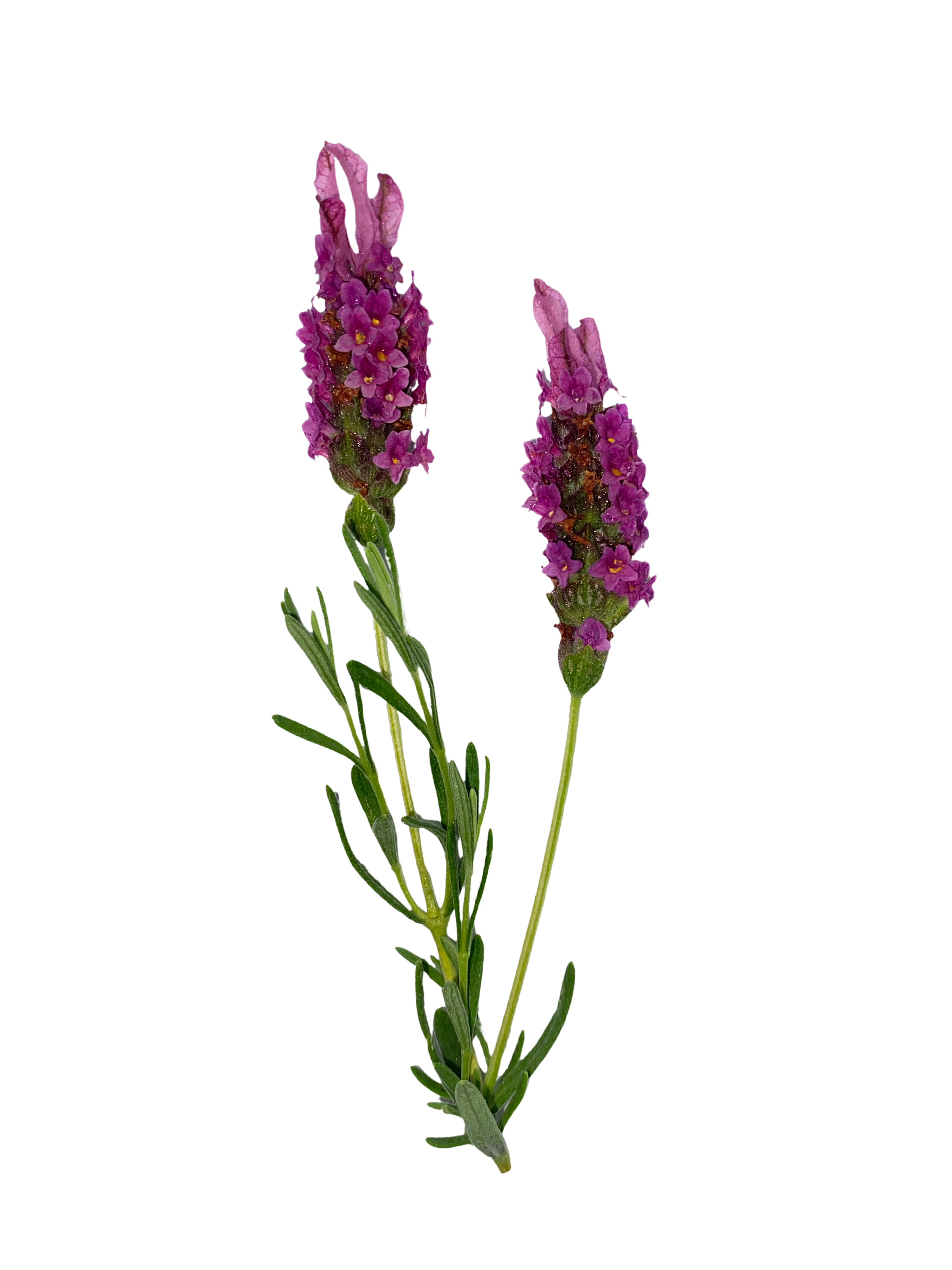
The ingredient popular for it’s well known properties
A 2020 review of clinical and animal studies examined lavender essential oil and similar preparations, discussing its aromatic compounds and traditional role in topical formulations valued for a relaxing sensory experience. A 2016 study explored lavender oil’s effects on tissue in early phases of application, noting changes in appearance and feel in experimental models. A 2023 study on a novel emulsion containing lavender essential oil looked at its inclusion in topical preparations and the pleasant conditioning effects observed.
In our formula, the infused lavender works with tallow and coconut oil to create a gentle, beautifully scented balm that many people enjoy as part of their daily routine; ideal after a long day or for a little self-care moment.
Key References
Samuelson R, et al. (2020). The Effects of Lavender Essential Oil on Wound Healing: A Review of the Current Evidence. J Altern Complement Med. https://pubmed.ncbi.nlm.nih.gov/32589447/
Mori HM, et al. (2016). Wound healing potential of lavender oil by acceleration of granulation and wound contraction. BMC Complement Altern Med. PMC4880962. https://pmc.ncbi.nlm.nih.gov/articles/PMC4880962/
Jaramillo V, et al. (2023). Enhancing Wound Healing: A Novel Topical Emulsion Containing Lavender Essential Oil. Pharmaceutics. PMC10301644. https://pmc.ncbi.nlm.nih.gov/articles/PMC10301644/
Star Anise
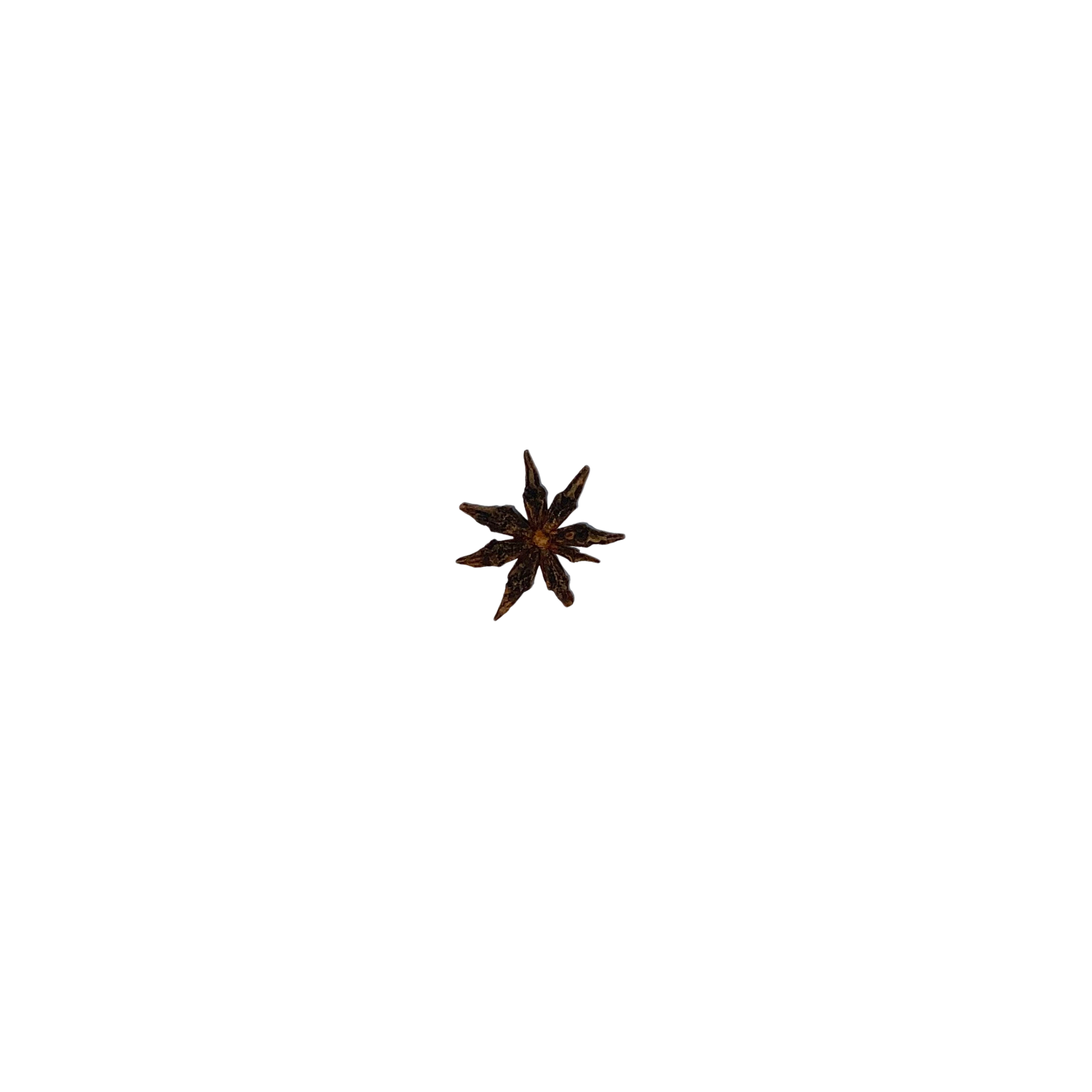
The ingredient that is surprising
Star anise brings a subtle sweet-spicy aroma and contains bioactive compounds like trans-anethole.
A 2021 in-vivo study on star anise extracts explored their aromatic and antioxidant characteristics in topical models, noting the plant’s traditional use in fragrant preparations. A 2022 review positioned star anise and trans-anethole as valuable raw materials for cosmetic applications, emphasising their pleasant scent profile and potential in personal care blends. A 2023 overview of the plant as an aromatic species reinforced its long history in botanical formulations valued for fragrance and mild conditioning effects.
When blended with tallow and coconut oil, it adds a warm, garden-fresh character that makes the overall experience more enjoyable.
Key References
Salem MA, et al. (2021). In vivo Antibacterial Activity of Star Anise (Illicium verum Hook. f.) Extract Against Methicillin-Resistant Staphylococcus aureus. Infect Drug Resist. https://pmc.ncbi.nlm.nih.gov/articles/PMC7797340/
Sharafan M, et al. (2022). Illicium verum (Star Anise) and Trans-Anethole as Valuable Raw Materials for Medicinal and Cosmetic Applications. Molecules. https://pmc.ncbi.nlm.nih.gov/articles/PMC8839413/
Zou Q, et al. (2023). Star Anise: An Aromatic Medicinal Plant. Plants. PMC10648513 (overview available via PubMed).
rosemary
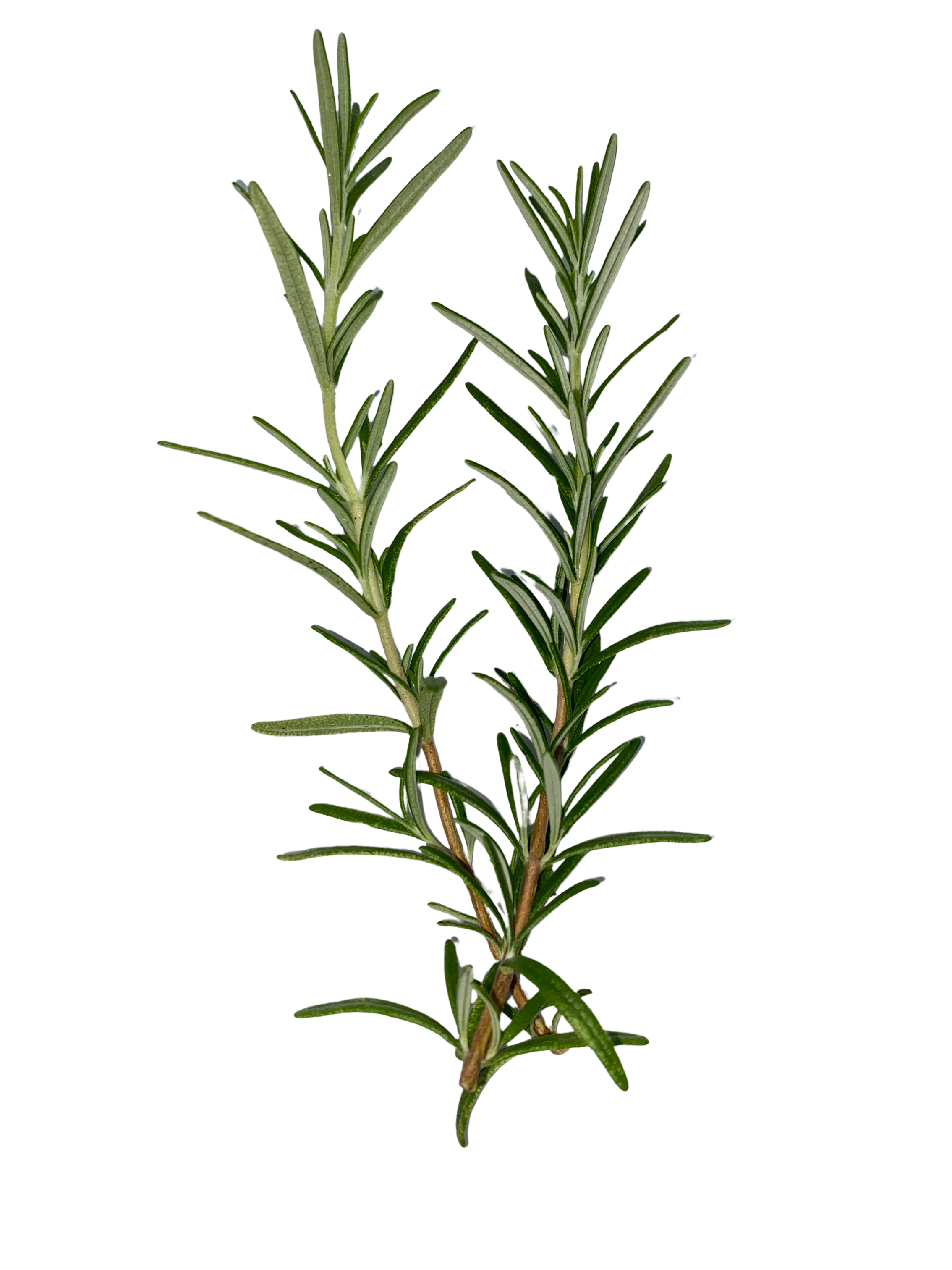
The ingredient that is often overlooked
Rosemary is a hardy green herb with an earthy kick. It’s loaded with compounds like rosmarinic and carnosic acids that contribute to its characteristic scent.
A 2020 review detailed rosemary’s traditional topical applications, including its role in cosmetic formulations for a refreshing feel and pleasant aroma. Another 2020 study on rosemary essential oil in lipid nanoparticles explored its effects on skin hydration and elasticity in human volunteers, showing improvements in how skin felt after use. A 2016 study on a combination including rosemary polyphenols examined its place in topical products focused on skin appearance and texture.
Paired with tallow and coconut oil, it gives our creams that vibrant, fresh character. It’s the herb that makes you look forward to applying it.
Key References
Rahbardar MG, et al. (2020). Therapeutic effects of rosemary (Rosmarinus officinalis L.) and its active constituents on nervous system disorders. Iran J Basic Med Sci. PMC7491497 (includes topical sections). https://pmc.ncbi.nlm.nih.gov/articles/PMC7491497/
de Macedo LM, et al. (2020). Rosemary (Rosmarinus officinalis L., syn Salvia rosmarinus) and Its Topical Applications: A Review. Plants. PMC7284349. https://pmc.ncbi.nlm.nih.gov/articles/PMC7284349/
Pomi FL, et al. (2023). Rosmarinus officinalis and Skin: Antioxidant Activity and Therapeutic Potential. Antioxidants
Why Our Blend Works
At Tallow Botanicals, we believe the best skincare comes from nature’s most nourishing ingredients working together.
We start with grass-fed regenerative tallow; nature’s richest source of skin-identical fats, vitamins A, D, E & K, and fatty acids that deeply moisturise and support the skin barrier.
We gently infuse it with organic herbs, using traditional low-heat methods that preserve their natural goodness.
Then we blend in virgin coconut oil, chosen for its fast-absorbing, antimicrobial properties and ability to create a beautifully smooth, non-greasy texture.
The result? A rich yet lightweight balm that feels luxurious, absorbs well, and delivers the combined benefits of tallow’s deep nourishment, coconut oil’s protective qualities, and the gentle botanicals all in one simple, clean formula.
No seed oils. No synthetic fragrances. No essential oils. Just honest, food-grade ingredients you’d be happy to put on your skin because we wouldn’t make it any other way.
Disclaimer
We are not making any therapeutic claims just presenting referenced facts from our research
These statements are based on traditional use and available studies. Individual results may vary. Not intended to diagnose, treat or cure any condition.
Always patch test first.